

जहाँ अतीत मिलता है भविष्य के सिनेमा से
आ नो भद्राः क्रतवो यन्तु विश्वतः
हम एक रचनात्मक प्रोडक्शन हाउस हैं जो सार्थक सिनेमा, वृत्तचित्र कहानी कहने, ऐतिहासिक अन्वेषण और प्रभावशाली दृश्य प्रस्तुतियों के लिए समर्पित है।
Dwij Films is a film production company founded in 2020 by Preeti Gupta with a vision to revive India's timeless heritage through the language of cinema. Inspired by the meaning of "Dwij"—twice-born—the company believes cinema can become a powerful bridge between ancient wisdom and the modern world.Rooted in research, authenticity, and storytelling, Dwij Films transforms India's history, mythology, culture, philosophy, Vedas, and forgotten narratives into cinematic experiences that educate, inspire, and entertain. With the support of Pushpa Devi, Co-Founder and the company's guiding inspiration, every project reflects the soul of Bharat through contemporary filmmaking. At Dwij Films, we don't just create films—we give timeless stories a new life on screen.
The Story Behind Dwij Films

OUR SERVICES
From films to commercial projects, we bring creativity and transform your vision into captivating stories.
🎬 Film Shoots
🎬 Video Editing
🎥 Studio & Equipment Rental
From feature films and short films to documentaries, we bring every story to life with cinematic excellence.
Brand Films, Commercials & Product Shoots — Creating visual experiences that elevate your brand.
Editing, Color Grading & Sound Design — Perfecting every frame with precision and creativity.
Premium studio spaces and top-notch production gear for creating exceptional cinematic experiences.
🎬 Commercial Shoots
THE VISION BEHIND THE DWIJ FILMS
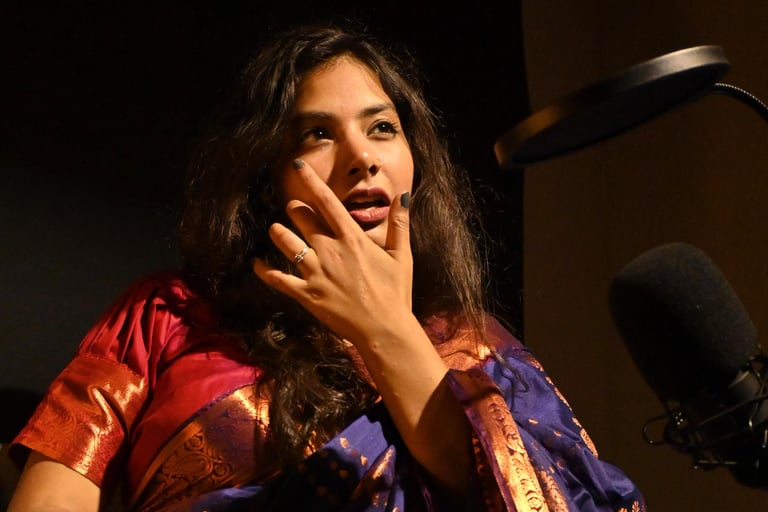
Preeti Gupta
FOUNDER | PRODUCER
"Every great film begins with a story waiting to be told. At Dwij Films, we believe cinema is more than entertainment—it is a powerful medium that preserves history, celebrates culture, inspires change, and connects people through emotion.
Our journey is driven by a passion for meaningful storytelling, with every frame crafted with purpose, creativity, and cinematic excellence. Whether it's a feature film, documentary, commercial, or digital campaign, we approach every project with the same commitment to authenticity and quality.
Dwij Films is not just a production house; it is a creative space where ideas evolve into unforgettable visual experiences. Our mission is to create stories that leave a lasting impact, honor our heritage, and inspire future generations.
Thank you for being part of our journey. We look forward to bringing your vision to life—one story, one frame, and one unforgettable cinematic experience at a time." time." your text here...
From The Chief’s Desk
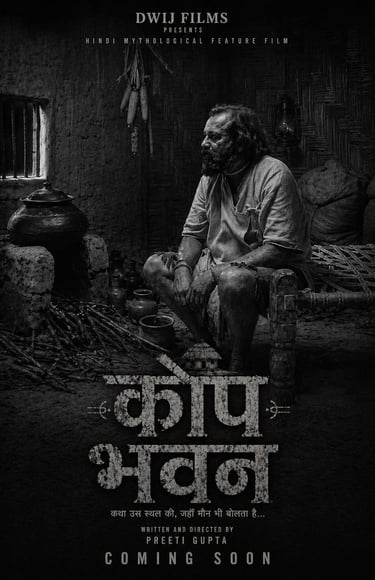
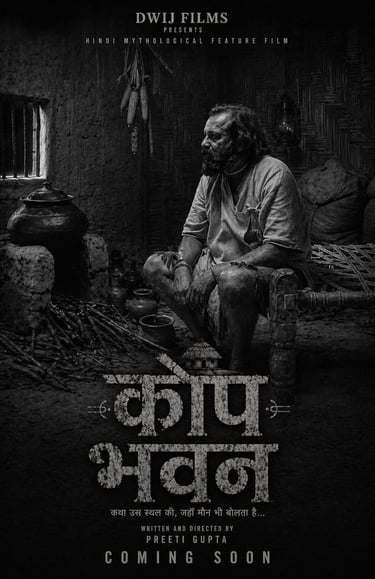
Kopbhawan - Astitav ki Pukar


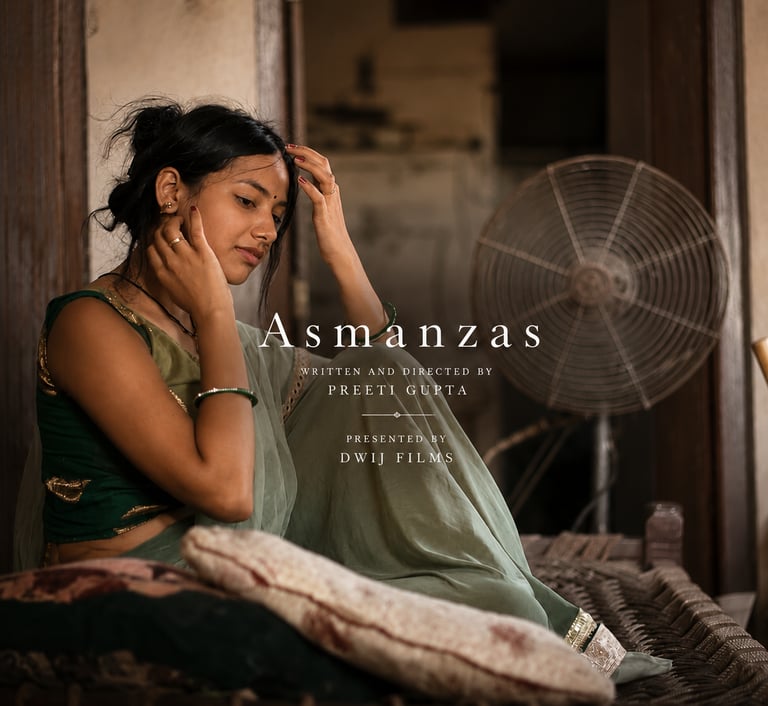

Asmanzas – Sia Diary
Anonymous Yatra
Philosophy Canteen
Asmanjaz chronicles the odyssey of Sia, a protagonist entangled in the labyrinth of her own mind, seeking true love. As she grapples with a state of confusion, the narrative unfolds through captivating time-travel sequences, where each moment holds the key to unraveling the mysteries of love, self-discovery, and the intricate tapestry of fate. Through carefully crafted storytelling, Asmanjaz invites audiences into a mesmerizing journey where the past, present, and future converge, shaping Sia’s destiny in unexpected and poignant ways.”
It’s a mythological thriller feature film where the entire story revolves around Shrirang and Triveni—an ascetic and beautiful young writer who abandoned writing years ago because the stories she wrote seemed to come to life. After leaving her writing career behind, she traveled extensively. During her travels, she ventured into a mysterious forest known as Khoj Van, where she was caught in a thunderstorm and sought shelter in a hut belonging to Shrirang. Shrirang is an old man who has lived there for centuries, waiting for his liberation. He carries the weight of countless stories and shares them with everyone who visits his hut. However, his liberation can only be achieved through Triveni, as she is the one destined to hear his final story—his 100th story, which reveals why he has been suffering for centuries. He tells all his stories and asks Triveni to help him find liberation, but there is a catch: if she chooses to help, she will be trapped in the Kop Bhavan, the very place that holds him. The question arises: why would she accept a cursed life in order to free him?
In the heart of the city lies a hidden sanctuary, the “Philosophy Canteen,” where the ordinary transcends into the extraordinary. Amaya, a girl deeply immersed in the enchanting realms of mythology, seeks solace in this mystical space. Here, reality and illusion intertwine, and ancient tales come alive, shaping the fabric of her imaginative world. Join Maya on her transformative journey as she unveils the profound answers hidden within the folds of her dreams, inspiring us all to embark on our own “Anonymous Yatra” in the pursuit of purpose and fulfillment.
“Anonymous Yatra” delves into the universal theme of self-discovery, portraying Maya’s evolution as she confronts the ambiguity of her dreams and reshapes her destiny. The story unfolds as a celebration of resilience, courage, and the pursuit of one’s true calling in a world that often obscures the path to self-realization.
OUR UPCOMING PROJECTS



CONTACT US
Second Floor, Plot No 410, Shakti Khand 4, Indirapuram, Ghaziabad, Uttar Pradesh 201014
dwijfilms@gmail.com,
ph- 9654587435 , 8377095238
Important Links
© 2026 Dwij Films
Films by DF
For Film-makers
For Corporates
Careers
Privacy Policy
About
Send us a message
News